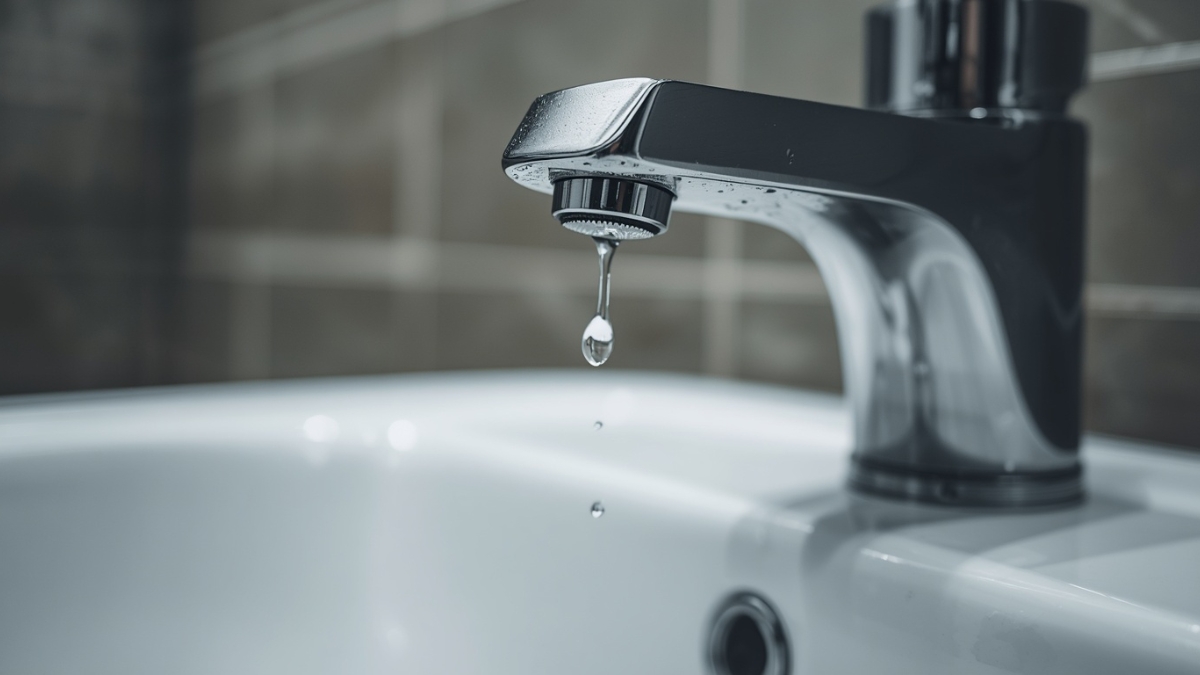
If you’ve noticed your faucet dripping even after you’ve turned it off tightly, you’re not alone. This is one of the most common plumbing issues homeowners face. A constant drip may seem like a minor annoyance, but if left unchecked, it can waste a significant amount of water and even lead to higher water bills. In this blog, we’ll explore the main causes of a dripping faucet, how you can fix it yourself, and when it’s time to call a professional plumber.
💧 Common Causes of Faucet Dripping
1. Worn-Out Washer
The most common cause of a dripping faucet is a worn-out washer. Washers are small rubber discs inside the faucet that create a seal when you turn the handle off. Over time, washers can wear down, crack, or become stiff, preventing a proper seal, and causing water to leak out. Replacing the washer is often the simplest fix.
2. Loose or Broken O-Ring
The O-ring is another component found around the faucet stem. When this ring becomes loose or damaged, it can cause the faucet to leak. The O-ring helps maintain the seal when the faucet handle is turned off. If you’re unsure how to check or replace the O-ring, DIY guides can help.
3. Corroded Valve Seat
The valve seat is the area where the faucet’s spout and valve connect. Over time, it can accumulate mineral deposits and corrosion. This prevents the valve from sealing properly, leading to leaks. Replacing or cleaning the valve seat is a good solution for fixing this problem.
4. Damaged Cartridge
Faucets with a cartridge mechanism (like single-handle faucets) can experience a dripping issue if the cartridge is damaged. The cartridge regulates the flow of water. If it becomes cracked or worn out, it may cause a constant drip. The best fix is replacing the damaged cartridge, which is often available at your local hardware store.
5. Water Pressure Issues
High water pressure can also cause faucets to drip. When the water pressure is too high, it can force water out of your faucet even when it is tightly turned off. You can have a plumber check and adjust the water pressure regulator if needed.
🛠️ How to Fix a Dripping Faucet
If you’re looking to fix the dripping faucet yourself, here are the steps to take:
- Turn off the water supply – Before you begin working on the faucet, make sure to turn off the water supply to avoid any accidental flooding.
- Disassemble the faucet – Remove the handle and any other parts blocking the internal components.
- Check the washer, O-ring, and cartridge – Look for any signs of wear, damage, or corrosion. If needed, replace the damaged components.
- Reassemble the faucet – Once the parts are replaced or cleaned, reassemble the faucet and turn on the water supply to test the fix.
⚠️ When Should You Call a Plumber?
While fixing a leaking faucet may seem like a simple task, there are situations where it’s best to call a professional plumber. You should consider professional help if:
- The faucet continues to drip even after replacing parts
- You notice unusual water pressure issues or flooding
- You’re unsure about disassembling your faucet and would prefer to avoid further damage
- The issue is with the plumbing behind the faucet (e.g., damaged pipes or valve issues)
Call a plumber if you’re not comfortable with the repair process or if the issue seems too complex to handle on your own.
💰 How Much Does It Cost to Fix a Dripping Faucet?
The cost of fixing a dripping faucet can vary based on the problem and whether you do it yourself or hire a plumber. Here are some estimated costs:
- DIY parts (washer, O-ring, cartridge): $1 – $10
- Professional faucet repair: $100 – $300
- Full faucet replacement: $150 – $500 (depending on brand and type)
🌍 Prevent Future Leaks & Drips
To prevent future faucet drips, it’s important to maintain your faucets regularly. Consider:
- Cleaning faucet parts regularly to prevent mineral buildup
- Replacing old washers and O-rings at the first sign of wear
- Monitoring your water pressure
- Performing periodic inspections to ensure your faucet is in good working order
📞 Conclusion
A dripping faucet may be a minor inconvenience, but it can also lead to larger plumbing problems if ignored. By understanding the causes of the drip and following simple steps to fix it, you can restore your faucet to full functionality. If the problem persists or you need professional help, don’t hesitate to contact a licensed plumber.