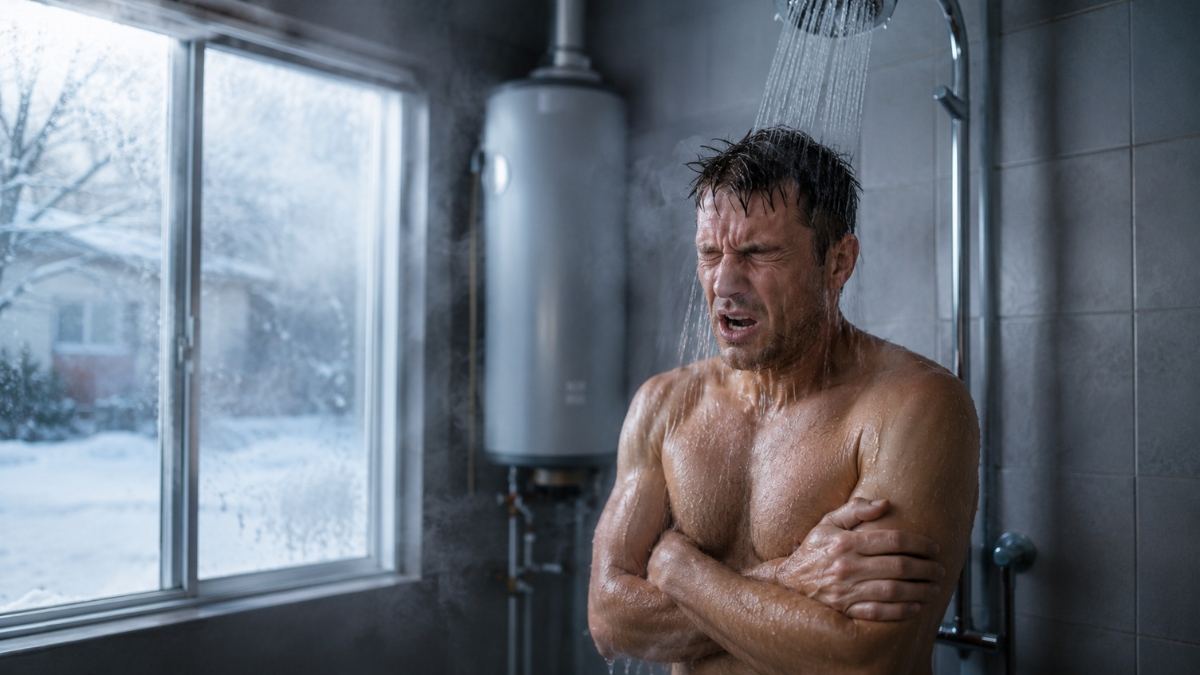
There’s nothing more frustrating during winter than stepping into a hot shower only for the water to suddenly turn ice cold. If your hot water runs out quickly in winter, you’re not alone. This is one of the most common cold-weather plumbing issues homeowners face every year.
During colder months, your water heater works much harder than usual. Lower incoming water temperatures, increased household demand, and hidden plumbing problems can all reduce the amount of hot water available in your home.
In this guide, we’ll explain the most common reasons why hot water runs out fast in winter, how you can fix the issue, and when it’s time to contact a professional plumber.
❄️ Why Hot Water Runs Out Faster During Winter
In winter, the water entering your home is significantly colder than during warmer months. Your water heater must work harder and longer to heat the water to your desired temperature.
According to the U.S. Department of Energy, water heaters account for nearly 20% of a home’s energy usage. During winter, that workload increases substantially because groundwater temperatures drop.
For example:
- Summer incoming water temperature: around 65°F
- Winter incoming water temperature: around 40°F or lower
That extra temperature difference means your water heater has to use more energy and time to produce the same amount of hot water.
🚿 Common Reasons Your Hot Water Runs Out Quickly
1. Sediment Build-Up Inside the Water Heater
Over time, minerals and sediment from your water supply collect inside the tank. This is especially common in areas with hard water. The buildup reduces the amount of space available for hot water and makes the heating process less efficient.
Sediment buildup can also cause:
- Strange popping noises
- Longer heating times
- Higher energy bills
- Reduced hot water capacity
The Family Handyman recommends flushing your water heater annually to remove sediment and improve performance.
2. Water Heater Tank Is Too Small
Your current water heater may not be large enough for your household’s winter demand. During colder months, families typically use more hot water for:
- Longer hot showers
- Washing clothes in warm water
- Dishwashing
- Heating-related usage
If multiple people shower back-to-back, your tank may empty faster than it can reheat.
3. Faulty Heating Element
Electric water heaters usually have two heating elements. If one stops working, the unit may still produce hot water—but not enough for normal usage.
Signs of a bad heating element include:
- Hot water runs out very fast
- Water becomes lukewarm quickly
- Water takes longer to heat up
4. Thermostat Settings Are Too Low
Sometimes the problem is surprisingly simple. If your water heater thermostat is set too low, your hot water supply may feel inadequate during winter.
Most experts recommend setting your water heater to around 120°F for optimal performance and safety.
5. Aging Water Heater
Most traditional water heaters last between 8–12 years. As units age, they become less efficient and struggle to maintain hot water supply during peak demand.
If your water heater is older and constantly running out of hot water, replacement may be the most cost-effective solution.
6. Broken Dip Tube
The dip tube directs cold water to the bottom of the tank where it gets heated. If the dip tube is cracked or broken, cold water mixes with hot water near the top, causing your hot water to run out much faster.
🛠️ How to Fix Hot Water Running Out Quickly
✔ Flush the Water Heater Tank
Flushing the tank removes sediment buildup and improves heating efficiency. Many homeowners notice immediate improvement after maintenance.
✔ Lower Household Hot Water Usage
Try spacing out showers and laundry loads during peak times to reduce strain on your water heater.
✔ Insulate Pipes and Water Heater
Insulating hot water pipes helps reduce heat loss during winter. Water heater insulation blankets can also improve efficiency.
✔ Check Thermostat Settings
Ensure your thermostat is properly set. If unsure, consult your manufacturer’s manual or a licensed plumber.
✔ Upgrade to a Larger or Tankless Water Heater
If your current system cannot keep up with demand, upgrading may solve the issue permanently.
Tankless water heaters are becoming increasingly popular because they provide endless hot water while reducing energy costs. Learn more from Energy.gov.
⚠️ Signs You Need Professional Plumbing Help
While some maintenance tasks are DIY-friendly, certain problems require professional diagnosis and repair.
Call a plumber if:
- Your water heater leaks
- You hear loud banging or popping sounds
- Hot water disappears completely
- Your unit frequently needs resetting
- Rust-colored water comes from faucets
- Your energy bill suddenly increases
💰 How Much Does Water Heater Repair Cost?
Repair costs vary depending on the issue:
- Heating element replacement: $150 – $400
- Thermostat replacement: $100 – $250
- Tank flush service: $80 – $200
- New water heater installation: $1,000 – $3,500+
🏠 How to Prevent Hot Water Problems in Winter
Preventive maintenance is the best way to avoid losing hot water during cold weather.
- Flush your water heater once a year
- Schedule regular plumbing inspections
- Insulate exposed pipes
- Replace aging water heaters before failure
- Install a water softener if you have hard water
🔗 Related Plumbing Problems You Shouldn’t Ignore
If you’re experiencing hot water issues, you may also notice other plumbing problems during winter. Check out our related guides:
- Professional Plumbing Services
Why Is My Bathroom Flooding After Washing Machine Use?
Why Is My Faucet Dripping Even After Turning It Off Tightly?
📞 Final Thoughts
If your hot water runs out quickly in winter, it’s usually a sign your water heater is struggling to keep up with demand—or there’s an underlying issue that needs attention.
Ignoring the problem can lead to higher utility bills, poor performance, and eventually complete water heater failure.
The good news is that many winter hot water problems can be solved with proper maintenance, repairs, or system upgrades.
If your water heater still isn’t keeping up, it may be time to contact a professional plumber to inspect your system and recommend the best solution for your home.