Skip to content
What Is Hard Water and Why Is It Common in Idaho?
Hard water contains high levels of minerals such as calcium and magnesium. In many parts of Idaho, including Boise and Nampa, groundwater naturally absorbs these minerals from limestone and other rock formations. While hard water is not harmful to your health, it can cause serious plumbing problems over time.
How Hard Water Damages Your Pipes
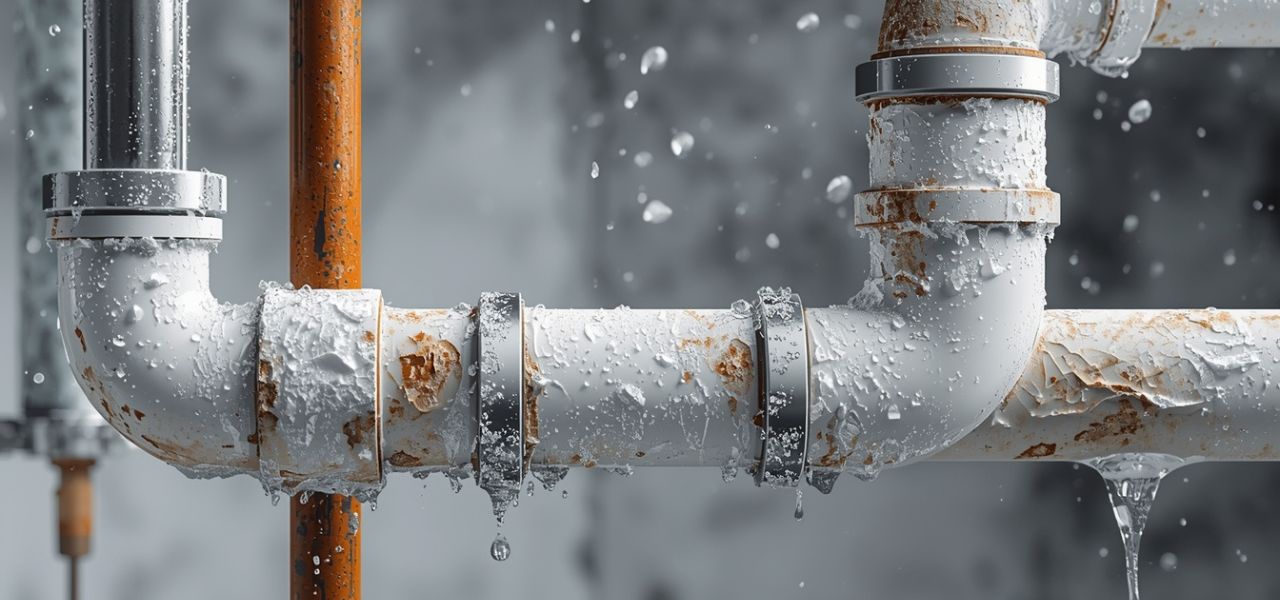
When hard water flows through your plumbing system, mineral deposits begin to build up inside the pipes. This buildup is commonly known as scale. Over time, scale narrows the diameter of your pipes, reducing water flow and increasing pressure within the system. This added pressure can weaken pipes and eventually lead to leaks or bursts.
Mineral accumulation can also affect fittings, joints, and valves. As scale thickens, it makes your plumbing system work harder, which shortens the lifespan of pipes and increases maintenance costs.
Signs You Have Hard Water Problems
- Low water pressure throughout your home
- White, chalky residue on faucets and shower-heads
- Frequent pipe leaks
- Water heater inefficiency
- Dry skin and dull hair after showering
If you notice these signs, hard water may already be affecting your plumbing system.
Impact on Water Heaters and Appliances
Hard water does not only damage pipes. It significantly impacts water heaters, dishwashers, and washing machines. Mineral deposits settle at the bottom of water heaters, forcing them to use more energy to heat water. This reduces efficiency and increases utility bills. Over time, it can cause premature failure of expensive appliances.
Long-Term Plumbing Risks for Idaho Homes
If left untreated, hard water can lead to major plumbing repairs. Severe scale buildup may require pipe replacement or professional descaling services. In older Idaho homes, galvanized pipes are especially vulnerable to corrosion accelerated by mineral deposits.
Solutions for Hard Water Effects on pipes in Idaho
1. Install a Water Softener
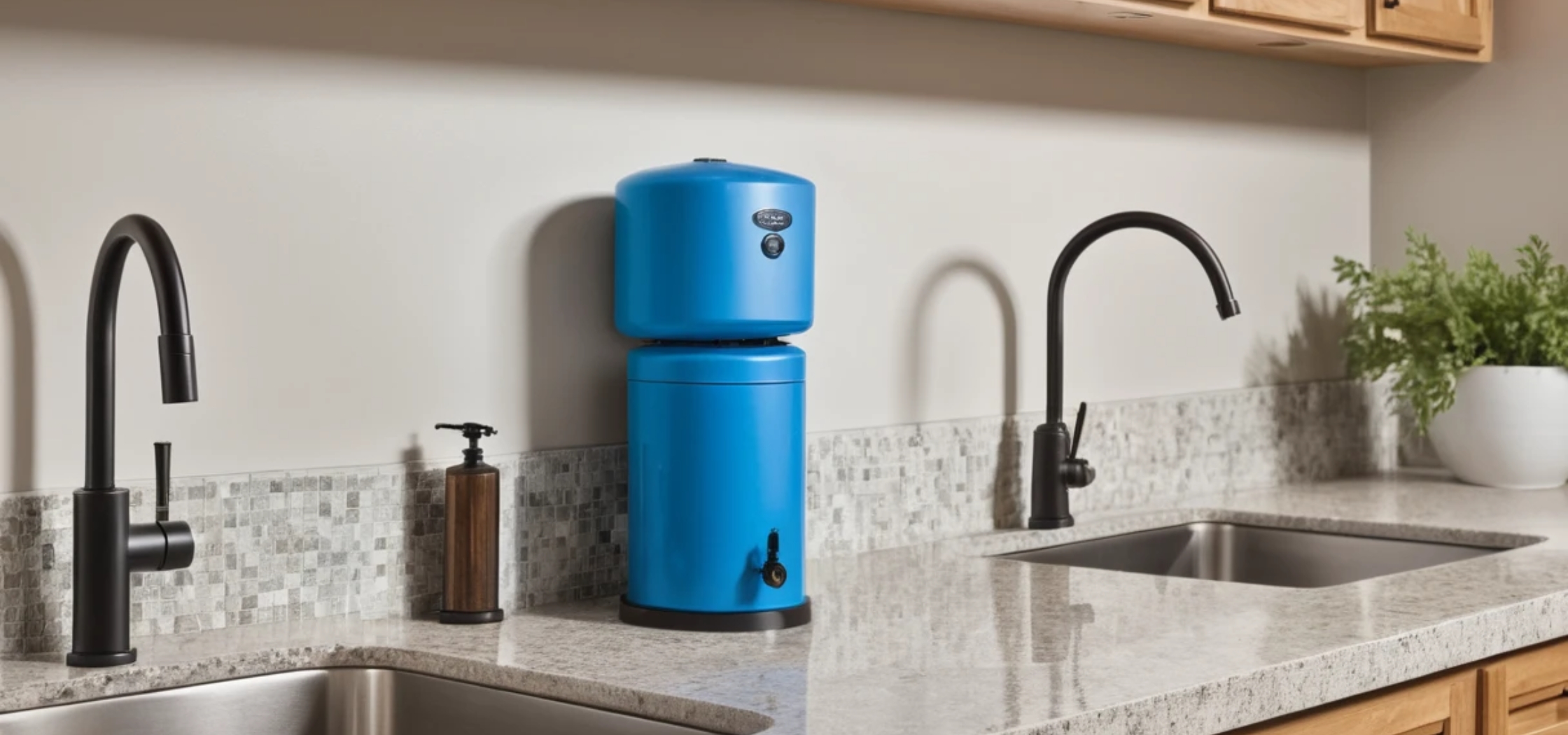
A whole-house water softener is the most effective solution. It removes calcium and magnesium through ion exchange, preventing scale buildup before it starts.
2. Schedule Professional Pipe Inspections
The Hard Water Effects on Pipes in Idaho are often neglected, however Regular plumbing inspections help detect mineral buildup early. A professional plumber can assess pipe condition and recommend cleaning or replacement if needed.
3. Flush Your Water Heater Annually
Annual flushing removes sediment and mineral deposits from your water heater, improving efficiency and extending its lifespan.
4. Use Descaling Treatments
In some cases, professional descaling treatments can help remove existing mineral buildup inside pipes and fixtures.
Protect Your Plumbing Investment
Hard water effects on pipes in Idaho is a common issue for Idaho residents, but it does not have to lead to costly repairs. By understanding the effects of mineral buildup and taking preventive measures, you can protect your plumbing system, improve water efficiency, and extend the life of your home’s pipes and appliances.
If you suspect hard water damage in your Idaho home, consulting a licensed local plumber can help you choose the best long-term solution.