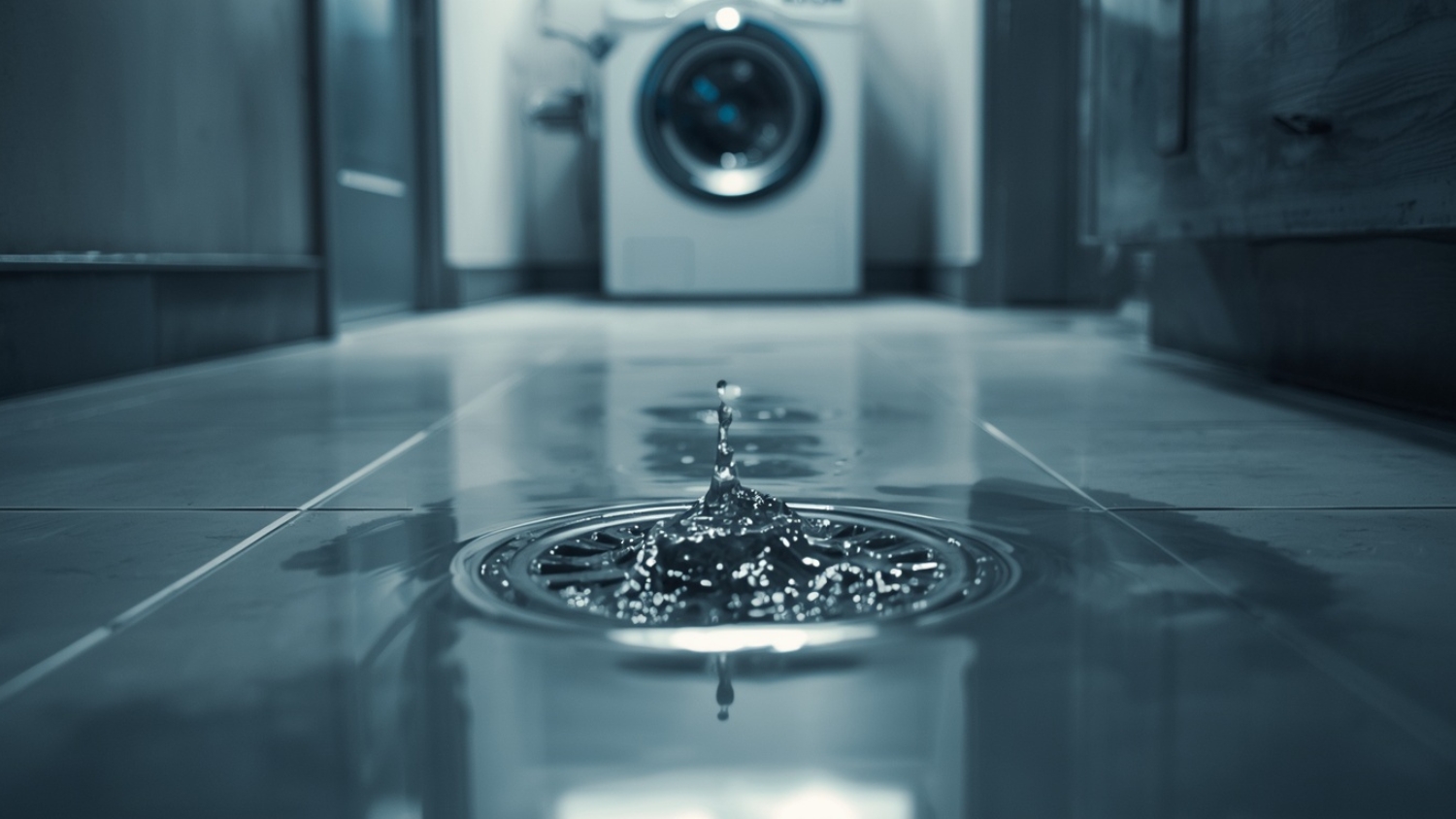
If your bathroom floods every time you run the washing machine, this is not a small issue—it’s a warning sign of a deeper plumbing problem. Many homeowners ignore it at first, thinking it’s just a minor clog, but in reality, it can lead to serious water damage, mold growth, and expensive repairs.
The good news? In most cases, this problem has a clear cause—and once you understand it, you can take the right action quickly.
🚨 What’s Actually Happening?
When your washing machine drains, it releases a large volume of water very quickly into your plumbing system. If your drainage system cannot handle that flow, the water has nowhere to go—so it backs up into the nearest exit point… which is often your bathroom floor drain, toilet, or shower.
🔍 Common Causes of Bathroom Flooding
1. Clogged Main Drain Line
This is the most common reason. Over time, soap residue, lint, grease, and debris build up inside your pipes. When the washing machine pushes out water at high pressure, the clog blocks the flow and forces water back into your bathroom.
2. Blocked Floor Drain
Your bathroom floor drain is designed to handle overflow—but if it’s clogged with hair, dirt, or debris, it won’t drain properly. This causes water to pool and flood the area.
3. Washing Machine Drain Pipe Too Small
Older homes often have undersized drain pipes that cannot handle modern washing machines. This leads to overflow during heavy discharge cycles.
4. Vent Pipe Issues
Plumbing vents allow air into your system so water can flow smoothly. If the vent is blocked, it creates pressure problems, causing water to back up into your bathroom.
5. Sewer Line Problems
In more serious cases, the issue could be in your main sewer line. Tree roots, cracks, or major blockages can cause water to backflow into your home.
🛠️ Quick Fixes You Can Try
✔ Clean the Floor Drain
Remove the drain cover and clear out any visible debris like hair or dirt. You can also pour hot water mixed with mild detergent to break down buildup.
✔ Use a Plunger
A simple plunger can sometimes dislodge minor clogs and restore proper drainage.
✔ Check for Slow Draining Signs
If your sink, shower, or toilet drains slowly, it’s a sign of a deeper blockage that needs attention.
✔ Reduce Washing Machine Load
Try running smaller loads to reduce the volume of water entering your drainage system at once.
⚠️ When You Should Call a Professional Plumber
If the problem keeps happening—even after basic cleaning—it’s time to call an expert. Persistent flooding usually means there’s a blockage deeper in your system that DIY methods cannot fix.
- Water backs up every time you run the washer
- Multiple drains in your home are slow
- You hear gurgling sounds in pipes
- There’s a bad sewage smell in your bathroom
💰 How Much Can It Cost to Fix?
Costs vary depending on the issue:
- Basic drain cleaning: $100 – $300
- Hydro jetting (deep cleaning): $300 – $600
- Sewer line repair: $1,000+
🧠 How to Prevent This Problem in the Future
- Avoid pouring grease or heavy chemicals down drains
- Clean your drains regularly
- Install a lint trap on your washing machine hose
- Schedule annual plumbing inspections
📞 Final Thoughts
Bathroom flooding after using your washing machine is not normal—and it will not fix itself. The longer you wait, the worse (and more expensive) the damage can become.
If you’re dealing with repeated flooding, it’s best to get it inspected and fixed before it turns into a major repair. A quick solution today can save you thousands tomorrow.
Need help fast? Contact a professional plumber today and get your drainage system back to normal.